
The Challenges
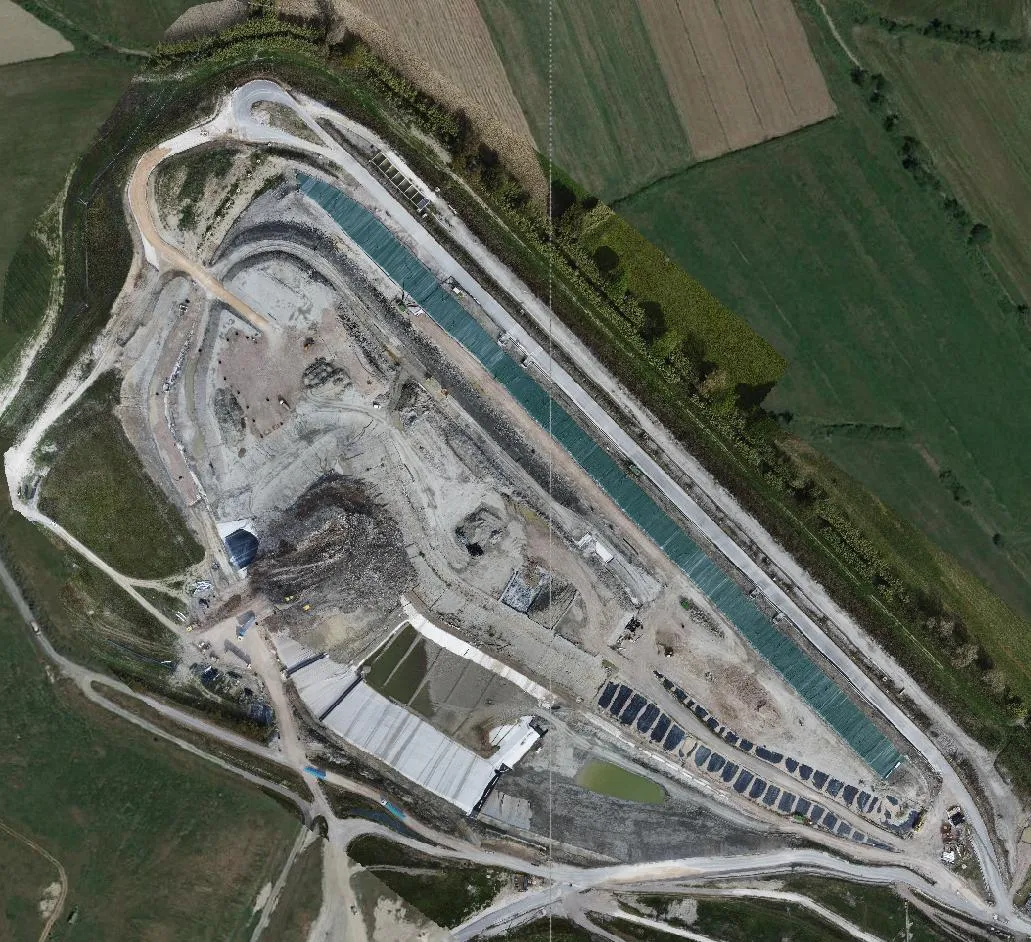
Scapigliato, a public company based in Rosignano Marittimo (LI), operates one of Italy’s leading waste treatment facilities, with nearly 300 regulatory requirements. One of the most complex requirements came in 2019: regulatory agencies mandated continuous monitoring of leachate levels in all of the landfill’s wells. Until then, levels had been measured manually: operators recorded the values on paper, well by well. Complicating matters were the vast size of the site, limited cellular coverage, a corrosive liquid, and wells deeper than 40 meters.
The Solution
Zerynth began with a pilot project, installing the ZeroBox with the mobile connectivity module on an initial group of wells. For each well, the Zerynth Industrial AI Platform collects and logs the water level, pump status, and operating hours. Based on this data, Scapigliato designed the logic for automatically starting and stopping the pumps, with thresholds agreed upon with the authorities and updatable via the PLC.
Then came the breakthrough. By classifying each malfunction by type and corrective action, Scapigliato discovered why the pumps were breaking down: in the deepest wells, the submersible electromechanical pumps—a standard feature in all landfills—became inoperable after just a few weeks due to the high concentration of solids. The team then designed a fully pneumatic pump, in which compressed air lifts the liquid instead of an electric motor. Scapigliato developed and patented it.
The Results
Compliant Monitoring
Continuous data from 70 wells, incompliance with the environmental permit
Targeted Interventions
Levels and pumps on tablets and smartphones: you know when and where to take action
A Pump Born from Data
Patented pneumatic pump: less maintenance, lower energy consumption, and reduced CO2 emissions
Learn more details about the case study by watching the on-demand webinar.

Company
Scapigliato Srl
Industry
Environmental services
Assets
Waste management equipment
Profile
Scapigliato deals with the management and maintenance of landfills and waste treatment plants.
Results
Increased Automation on data analysis
24/7 remote monitoring
Improved Quality
100% early detection of anomalies
Decreased Consumption
ZERO operational costs for data recording

